Gazeta Wyborcza (english edition)



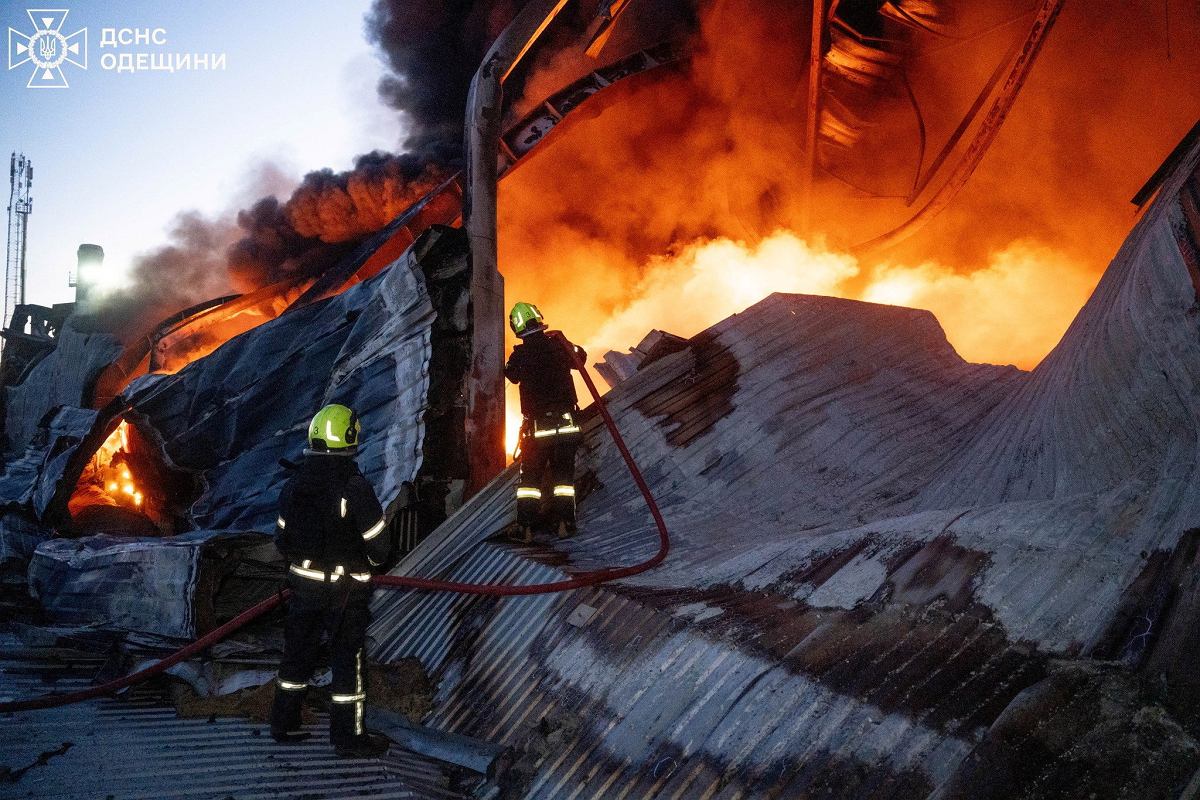
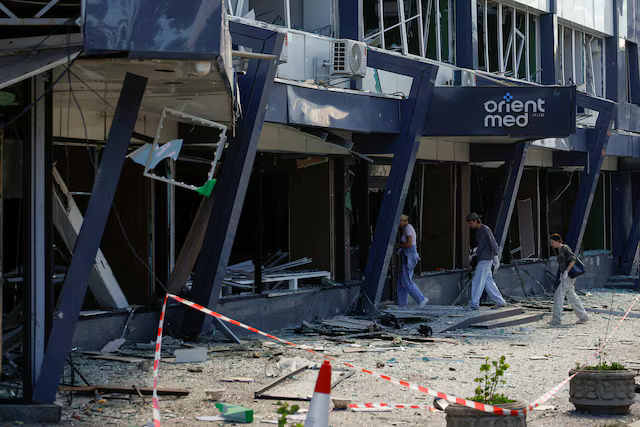
He characterized the incident as an "extremely vile" attack that did not result in a spike in radiation levels. The strike caused significant damage to a fuel-reception building located meters away from the storage site for "large amounts of nuclear material," according to the International Atomic Energy Agency (IAEA), which was briefed by Ukraine. Kyiv's state atomic agency, Energoatom, confirmed that no spent fuel was stored in the building at the time of the attack. The resulting fire was extinguished, and no injuries were reported.
Russia has not publicly commented on the alleged strike. The facility is located approximately 15 km (9 miles) from the decommissioned Chornobyl plant, the site of the world's worst nuclear disaster. "An extremely critical infrastructure facility – and an extremely vile Russian strike," Zelenskiy wrote on X, noting that Russia utilized a Shahed attack drone. He added that, as of now, no radiation readings exceed normal background levels, though he observed an increase in Russia's brazenness that "long ago went off the charts."
The IAEA issued a subsequent statement confirming that its monitors found the strike caused "significant structural damage to part of the fuel reception building, including to the IAEA safeguards office located there." The team observed damage to the building's facade, walls, and staircase, noting shattered glass shards, broken bricks, and other debris scattered on the ground. Radiation levels remained normal, the IAEA stated, indicating the incident caused no radioactive contamination.
In February 2025, a Russian Shahed drone damaged a containment arch over the Chornobyl reactor that was destroyed in the April 1986 explosion and meltdown. Russia, which regularly attacks Ukrainian cities and infrastructure with drones and missiles, denied responsibility for that incident. Kyiv and Moscow have also exchanged accusations regarding attacks on the Russian-occupied Zaporizhzhia Nuclear Power Plant in southeastern Ukraine, Europe's largest.