Gazeta Wyborcza (english edition)


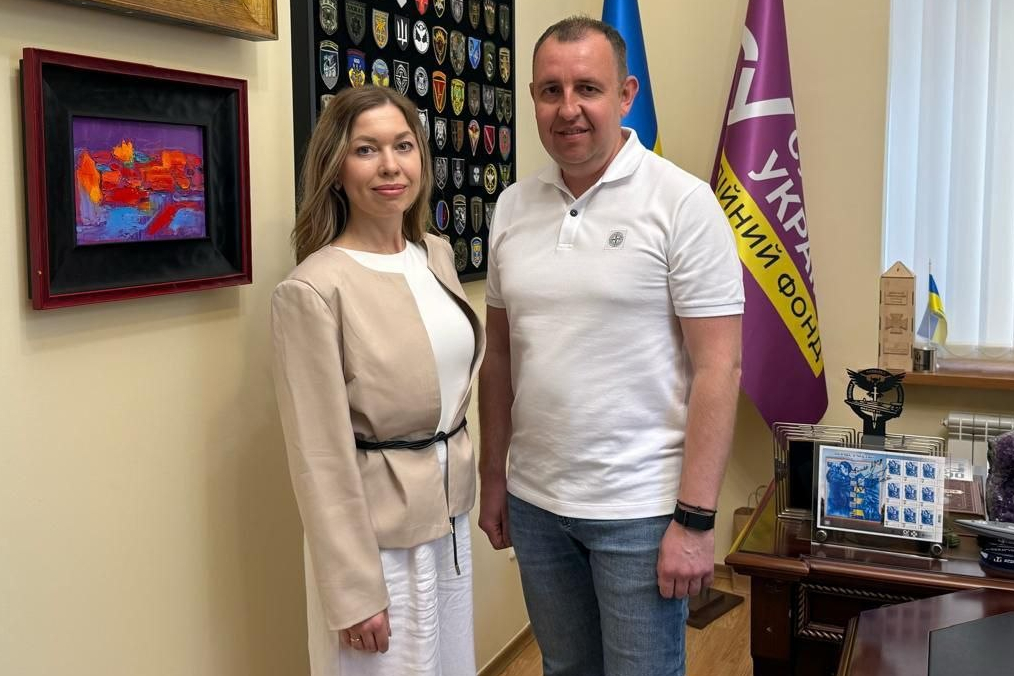
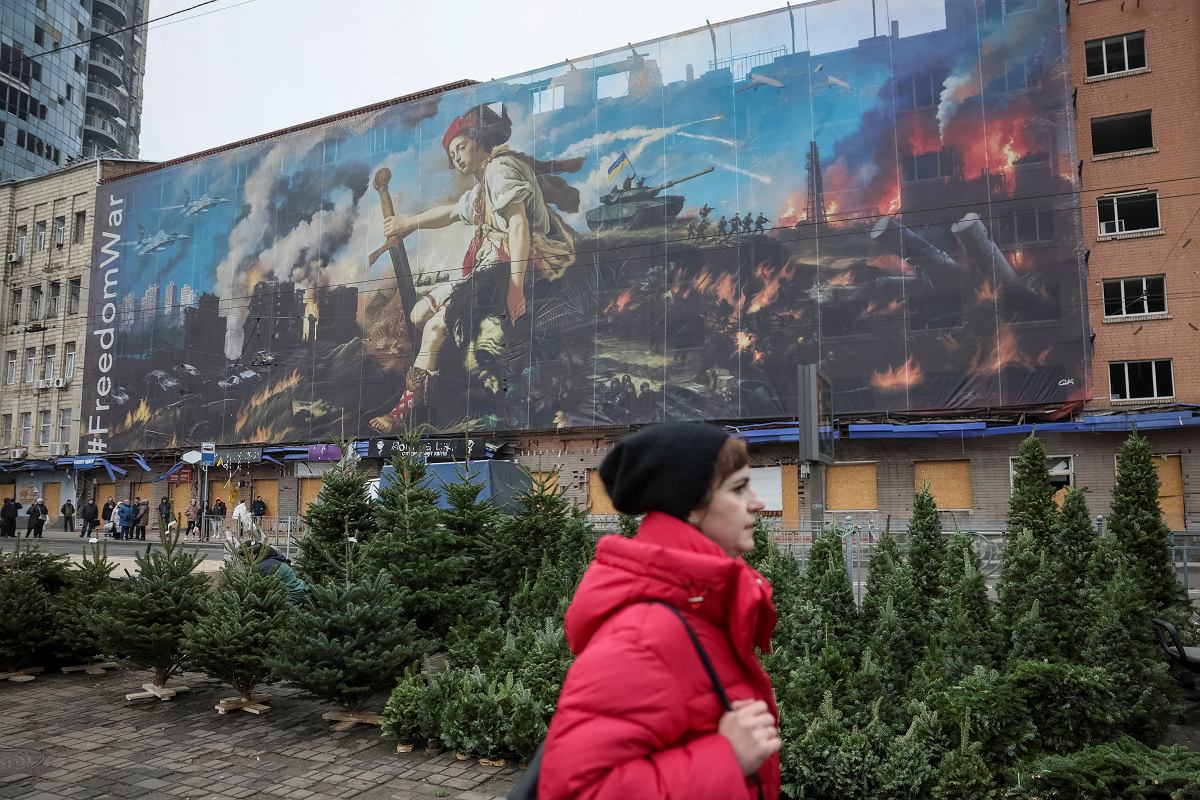
When Volodymyr Havrysh started the “Modern Ukraine” Charity Foundation in December 2021, the organization’s main goals were cultural diplomacy and humanitarian aid. Against the backdrop of deteriorating relations with Russia, the team planned to carry out a large-scale project—to create murals in every regional capital that would showcase the unique identity of each region while symbolizing the unity of Ukraine.
“But, unfortunately, in 2022, full-scale war came to our home, and we began to think about how to help civilians and how to help the military,” Havrysh recalls. Over the past four and a half years, the foundation has become a powerful mechanism for supporting the front lines, raising nearly 300 million hryvnias for the defense forces.
The Philosophy of Transparency and the Reality on the Front Lines
“Many people gave examples, saying, ‘What is “modern Ukraine” like today?—the roads are in disrepair, there are many problems, and so on,” explains the foundation’s president regarding the choice of the name. “My main point was this: it’s how I want to see my country; ‘Modern Ukraine’ is about a developed Ukraine that each of us can help build.”
Today, this idealism is backed by tough pragmatism. To gain a deep understanding of real needs, the foundation’s director doesn’t manage operations from his office.
“I personally travel to the front lines. I try to talk to everyone from regular soldiers to commanders in order to understand their needs,” says Volodymyr Havrysh. “I delve into the issues that matter to our military, and it’s very important to me that the direct assistance we provide is as effective as possible.”
According to the head of the organization, it has established a strict system of financial transparency:
• Not a single cent of the funds donated by partners to support the military is spent on administrative services.
• Purchases undergo an internal market audit to achieve the lowest possible cost without compromising combat effectiveness.
• The foundation guarantees its partners the highest level of transparency in its reporting.
Changing the Rules of the Game: Communications and Logistics
According to Havrysh, the situation along the contact line requires continuous technological adaptation. Among the most critical needs of the Ukrainian Armed Forces—which are “consumables” in war—he highlights communications systems (in particular, Starlink), FPV drones, and transportation. Short- and medium-range (middle-strike) drones with a range of up to 200 kilometers play a particularly important role. The shift in emphasis toward long-range strike capabilities is dictated by the changing nature of combat operations.
“Today, logistics are being destroyed within a 25–50-kilometer radius, but our military is demonstrating that the enemy’s rear—its logistics—can also be destroyed through middle-strike operations; therefore, it is essential to possess the means of combat and defense in order to be as effective as possible,” notes the president of the foundation.
A Global Shield and a Warning to International Partners
Havrysh acknowledges that, over the years of this protracted conflict, a certain degree of fatigue has set in among foreign partners, but he urges the world to abandon any illusions. Ukraine today serves as a shield for the entire civilized community.
“If the civilized world fails to recognize the importance of supporting Ukraine, it could face very negative consequences for its own security,” Havrysh warns sternly. “Because the aggressor is on high alert and openly states that it is ready for further actions and escalation in various countries. Our international partners must understand: our success lies in synergy, cooperation, and their assistance to Ukraine.”
To overcome donor fatigue, Ukrainian charities need to adopt new, creative ways of engaging with their foreign counterparts, as the outcome on the battlefield directly depends on available resources.
Synergy Between the Government, Business, and the Arts
Today, representatives from the business community, the arts, and civil society are involved in the “Modern Ukraine” initiative. Major companies (“Work.UA,” “Epicentr,” “Tekhno Yizhak”) and well-known ambassadors—from chefs Volodymyr Yaroslavskyi and Olha Martynovska to artists Anatolii Kryvolap and Ihor Abramovych.
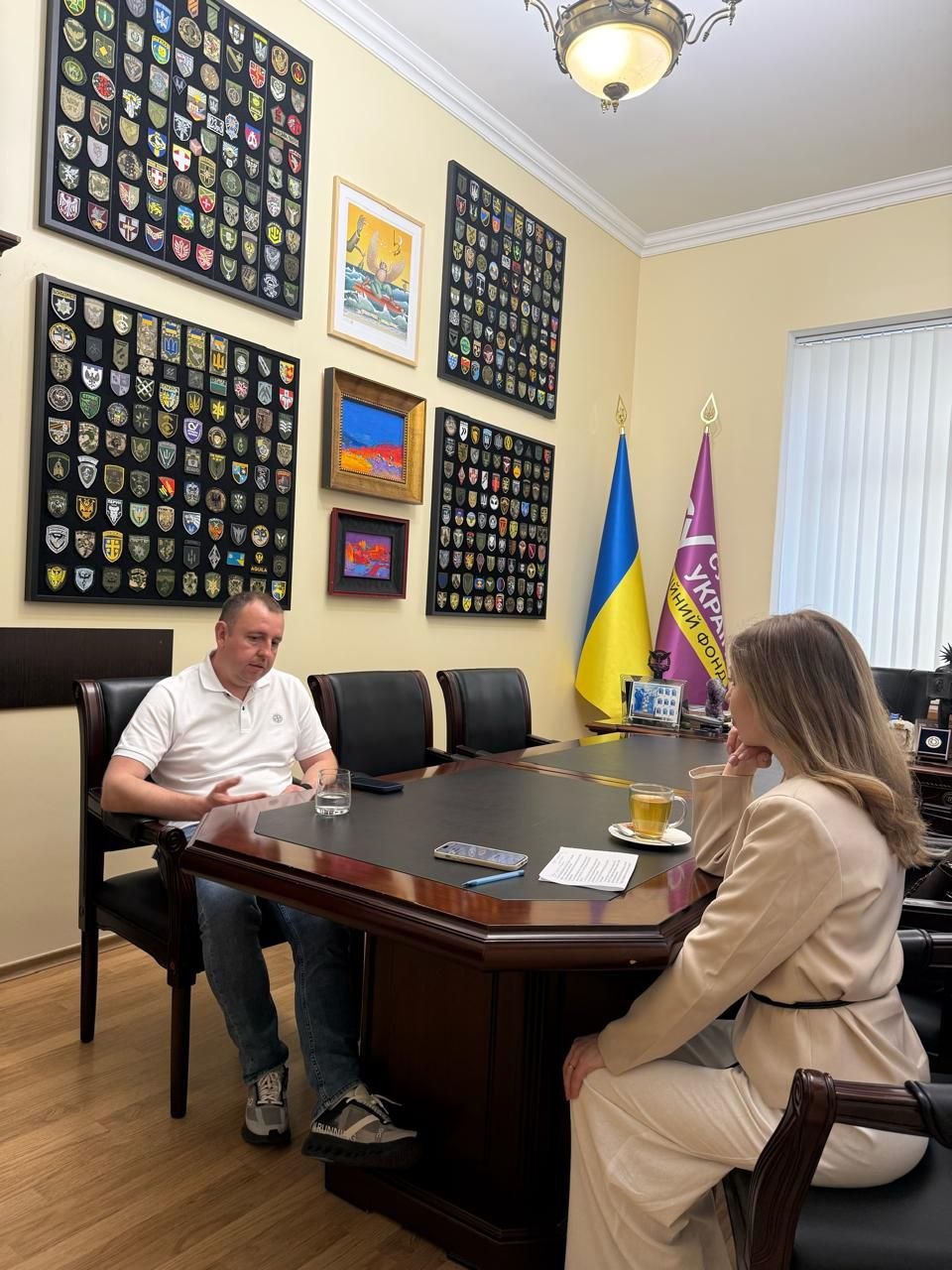
The scale of the organization’s efforts is best illustrated by its communication network. “During the period of the full-scale invasion, we’ve worked with hundreds of military units. You’ve probably seen all these insignia—we have over 400 of them. All of this represents direct assistance and communication with the military units we’ve helped; that’s why today it’s probably easier to say who we haven’t helped than who we are helping,” says Havrysh.
The foundation has long since outgrown the format of ordinary fundraisers. Today, it is registered as the International Charity Foundation “Modern Ukraine”, and it has also launched the “Modern Ukraine Club,” whose goal is to shape meanings and values for future generations. According to Havrysh, it is precisely this broad-based consolidation that makes it possible to turn the tide on the front lines.
“We have no other option—only unity, only synergy: the military, volunteers, and the state—and then we’ll succeed,” he concludes.