Gazeta Wyborcza (english edition)


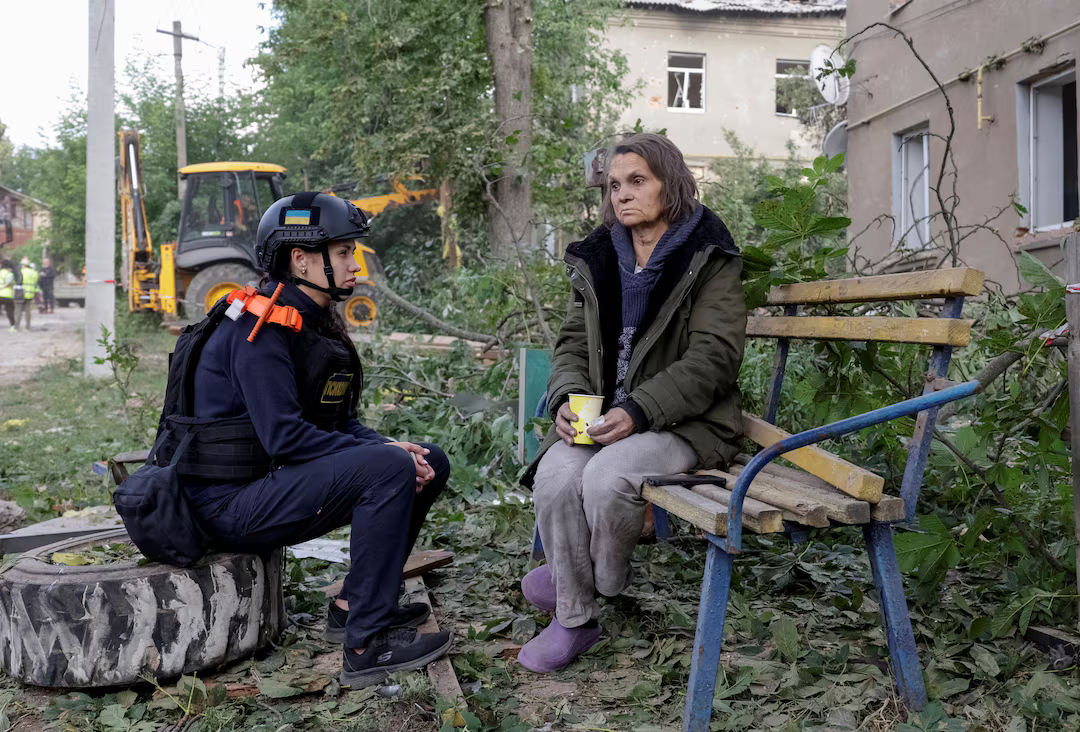
David Miliband, President and CEO of the IRC, emphasized the necessity of addressing the consequences of aid cuts, particularly those initiated by the United States. These reductions have halved the IRC's operational budget in the country, decreasing from $40 million last year to an estimated $20 million for the 2027 fiscal year, despite the evolving geopolitical narrative.
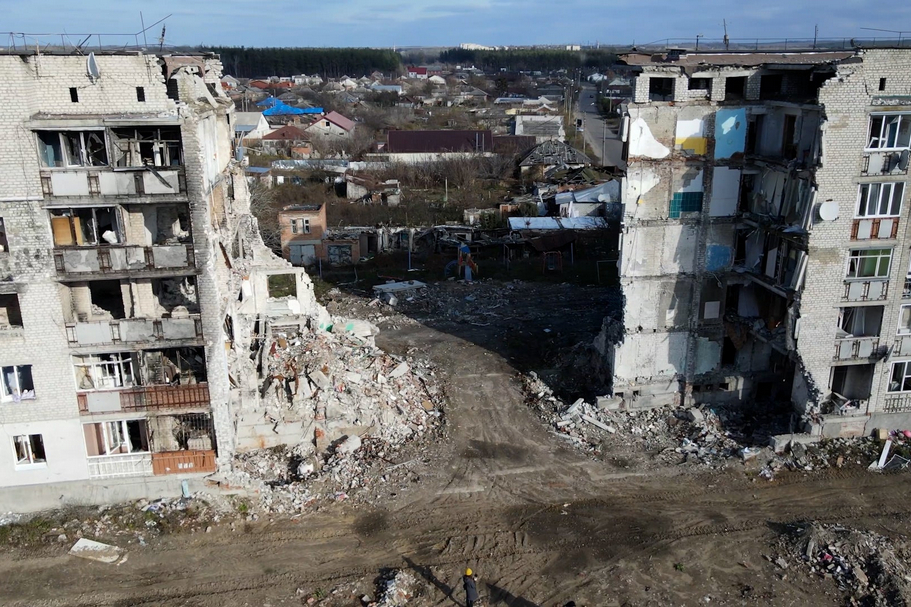
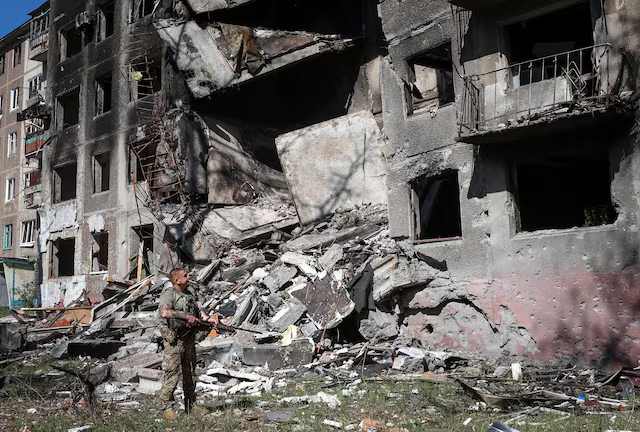
Speaking on Saturday to mark World Refugee Day, Miliband highlighted the continued brutality and strain faced by the Ukrainian population. United Nations data indicates approximately 118 million people are displaced globally due to conflict and persecution, with Ukraine accounting for roughly 10 million of this total, including nearly four million individuals displaced within its own borders.
Global humanitarian conditions reflect emerging instabilityDavid Miliband has characterized current global conditions as a "new world disorder," citing the cumulative impact of over 60 active conflicts alongside disease and natural disasters. This environment is defined by an increased frequency of shocks and a corresponding reduction in available mechanisms to absorb them, with financial resources serving as a critical buffer.
The administration of Donald Trump has implemented significant reductions in foreign aid and dismantled the U.S. Agency for International Development. These actions have prompted other nations to similarly decrease their expenditures on international assistance.
In Ukraine, the International Rescue Committee provides mobile medical services to communities situated near the 1,200-kilometer frontline. The organization also delivers trauma support to vulnerable children and women who have experienced abuse.
Miliband highlighted the impact on population mental health as a critical yet under-discussed consequence of the conflict, which has persisted for more than four years. He noted that redirecting a portion of the billions of dollars in military support from allies toward humanitarian aid and psycho-social support could significantly enhance societal resilience.