Gazeta Wyborcza (english edition)


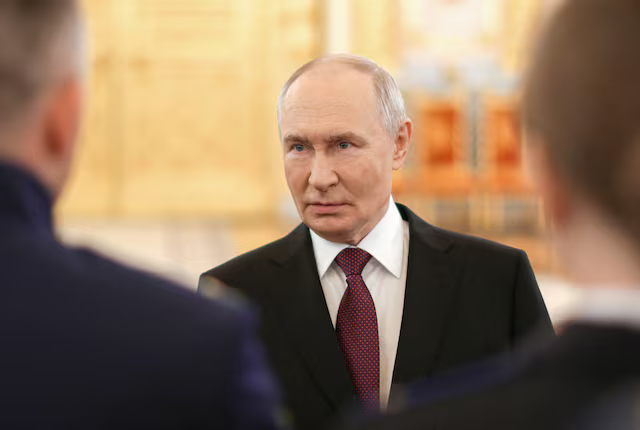
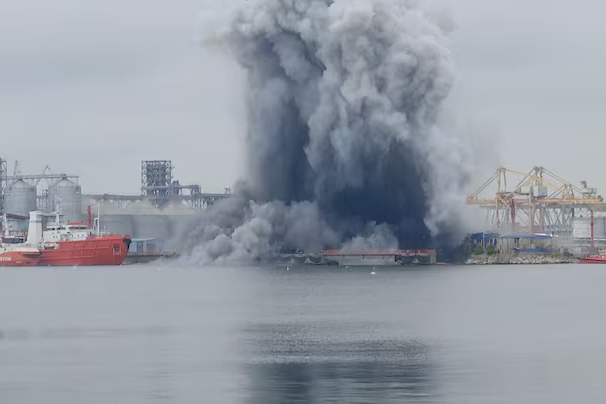
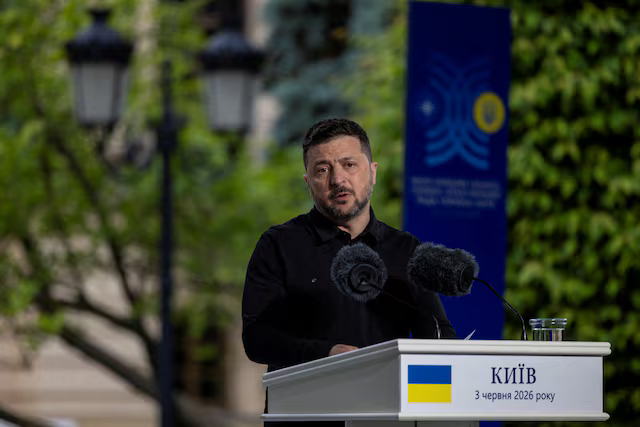
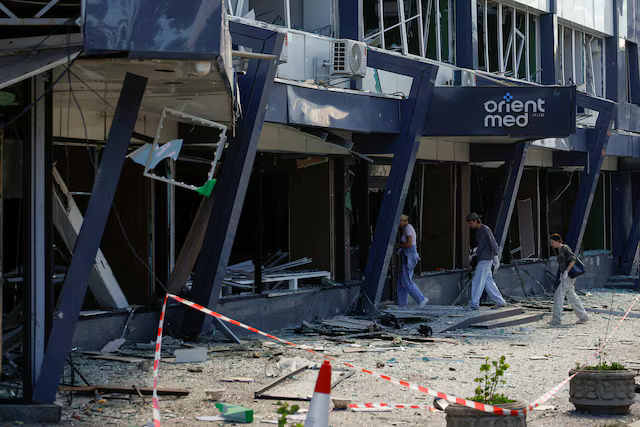
Within a three-day period, three senior Russian officials have asserted, without providing specific details, that Washington has not adhered to the agreed-upon terms. These statements coincide with an intensification of drone strikes by Ukraine deep within Russian territory, including two recent attacks on a Moscow oil refinery, as well as recent remarks made by Ukrainian President Volodymyr Zelenskiy at a Group of Seven summit.
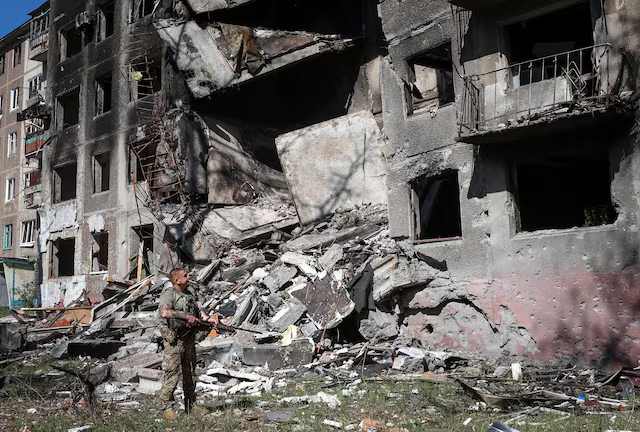
The Kremlin continues to reject assertions that the tide of the war is turning in favor of Kyiv and has maintained its own heavy offensive operations. Since the Alaska summit, Russian officials have frequently referenced the "spirit of Anchorage," which analysts interpret as a demand for Ukraine to cede the entire Donbas region in exchange for a cessation of hostilities elsewhere, a position the United States has not explicitly confirmed or denied.
High-level commentary from Moscow has escalated, with Kremlin aide Yuri Ushakov stating that only one party remains committed to the original understandings. Furthermore, Foreign Minister Sergei Lavrov suggested the summit may have been a strategy to delay Russian objectives, while his deputy, Sergei Ryabkov, accused the United States of aligning with anti-Russian policies pursued by the United Kingdom and France, though he noted that diplomatic dialogue would continue.
Putin needs to give a response
Gerhard Mangott, an Austrian analyst and veteran observer of Russian affairs, has indicated that recent strategic shifts reflect Moscow's apprehension regarding a critical situation affecting the Russian economy and military apparatus. This assessment follows a reported surge in Ukrainian attacks within Russian territory, which Moscow attributes to assistance provided by the United States.
According to Mangott, a visible response from President Putin is deemed necessary to demonstrate to the population that significant leverage remains. Predictions suggest further military escalation and a concerted Russian effort to realign President Trump with Moscow's interests. In this context, President Putin stated on Tuesday that the entire Western bloc is acting in support of Kyiv.
Oleg Ignatov of the International Crisis Group noted that Russia is dismayed by the absence of U.S. mediation efforts since February, a period marked by a shift in Washington's attention following the initiation of military operations against Iran in conjunction with Israel. Consequently, Russia has consistently ruled out mediation by European governments, citing a lack of indication that such entities would encourage Kyiv to make major concessions.
It has been reported that Russia seeks the resumption of diplomacy by the United States to facilitate an end to the conflict on terms favorable to Moscow. Ignatov emphasized the current absence of a structured diplomatic process or any proposals on the table, expressing significant disappointment and a strong desire for American engagement.