Gazeta Wyborcza (english edition)


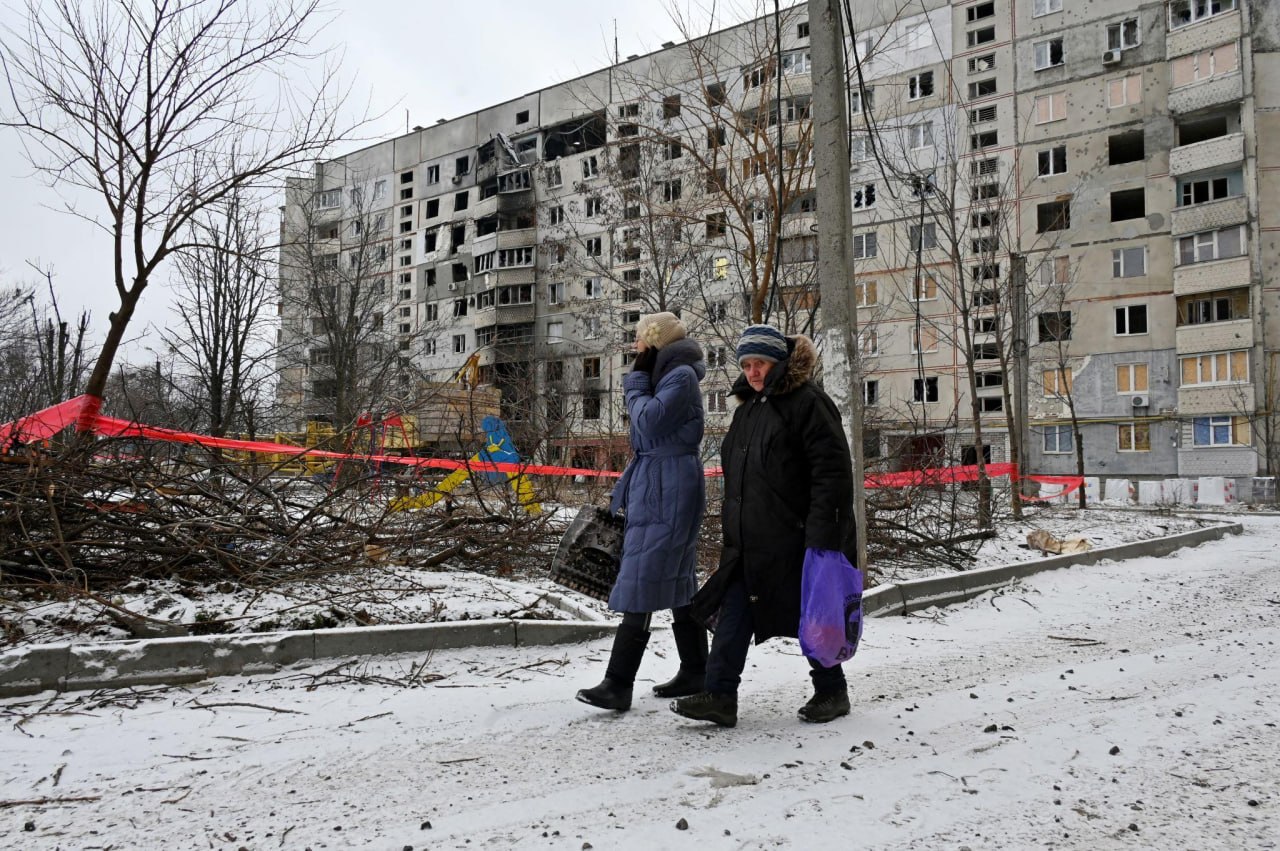
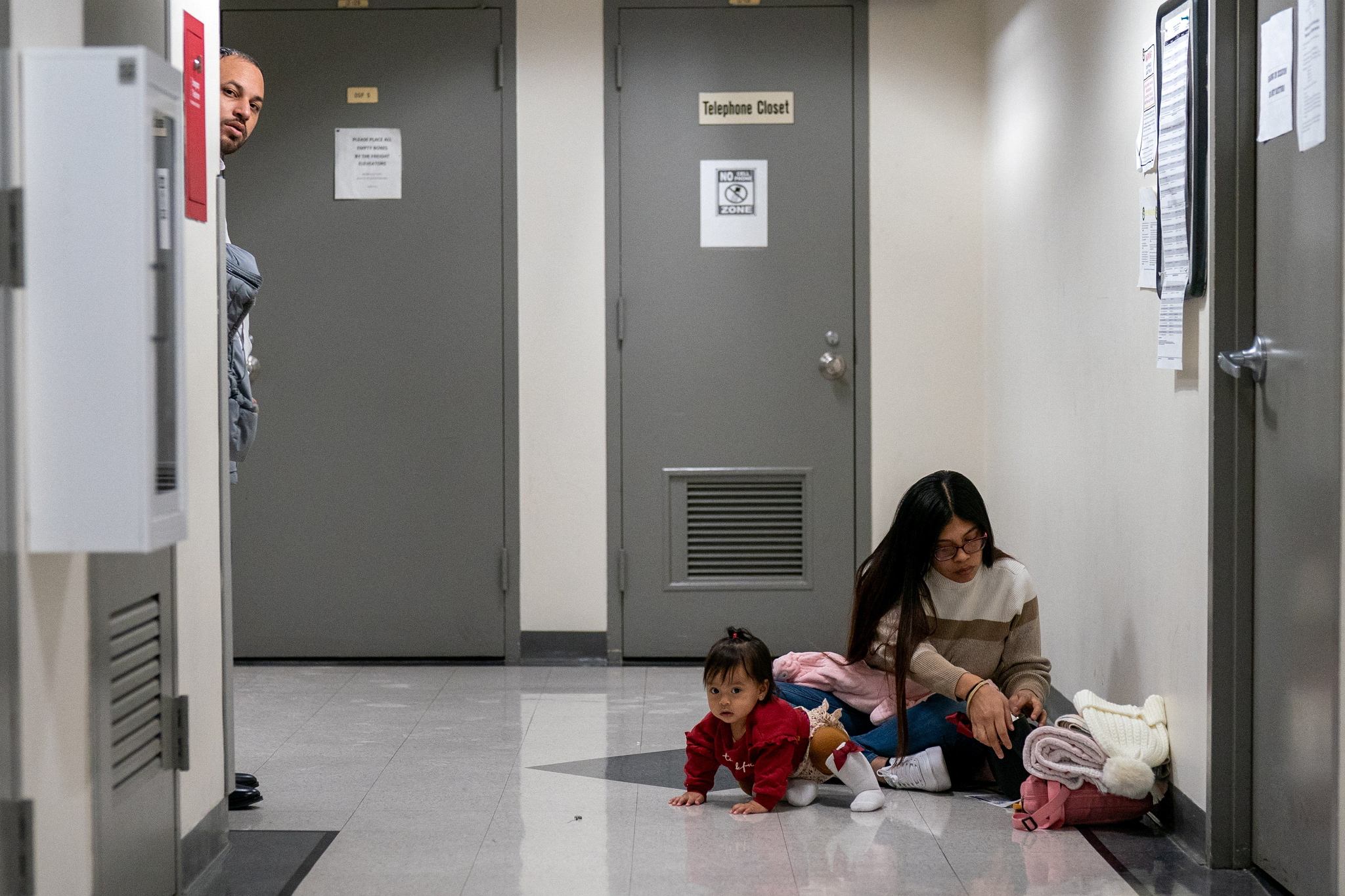
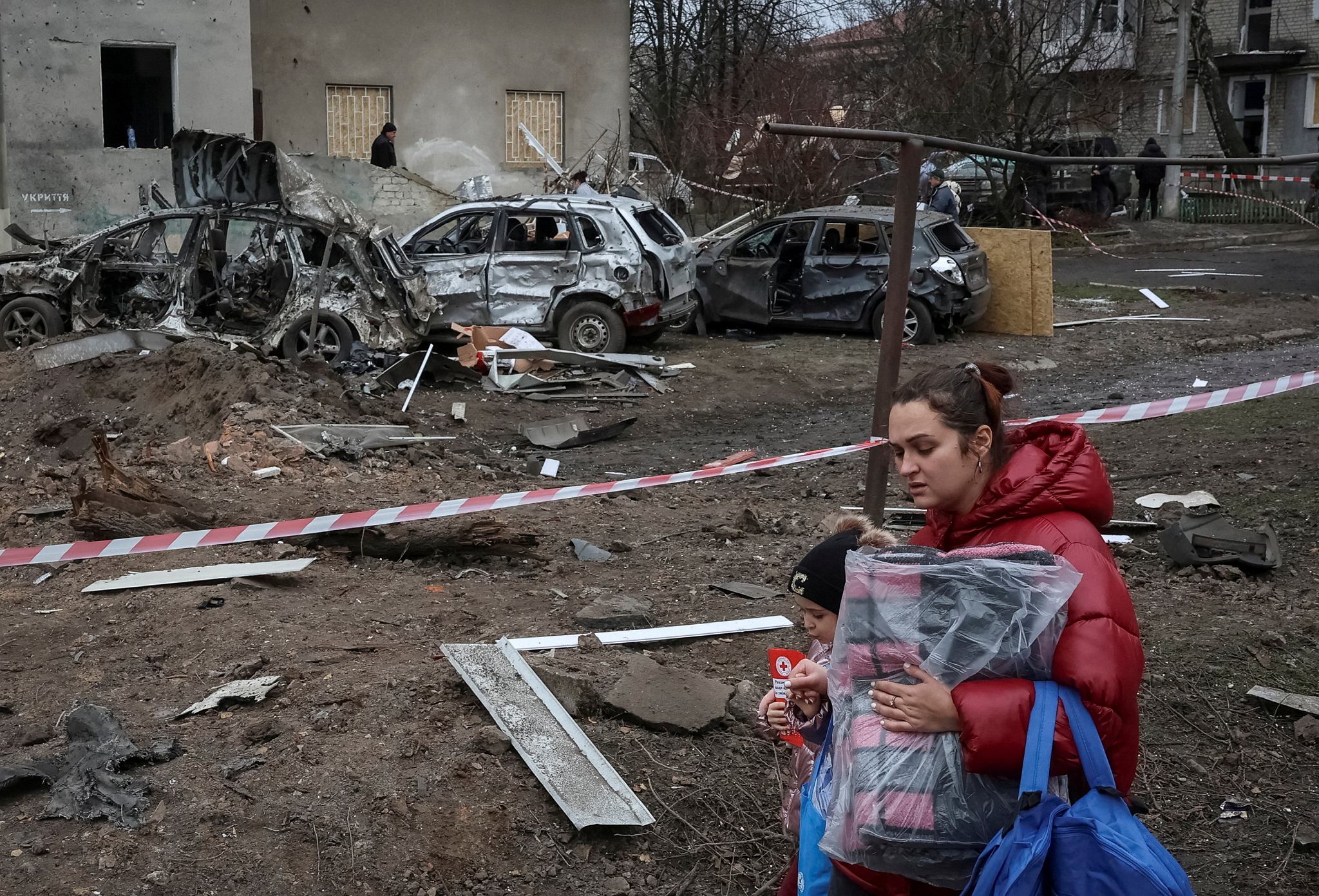
The plight of internally displaced persons remains one of Ukraine’s most significant social and humanitarian challenges. Millions of citizens have been forced to leave their homes but have remained within Ukraine and require long-term support from the national and regional governments.
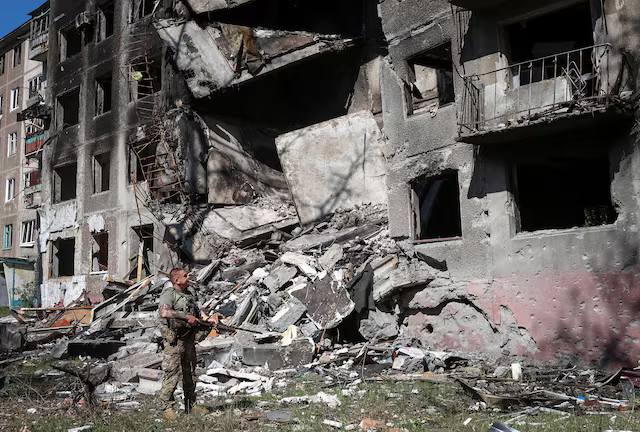
IDPs in Ukraine face a range of challenges: a lack of affordable and permanent housing, high rent costs, loss of property and documents, difficulties finding employment, limited access to medical, social, and educational services, as well as psychological consequences resulting from the current situation. The majority of Ukrainian citizens acquired this status after leaving the Sumy, Dnipropetrovsk, Zaporizhzhia, Mykolaiv, Chernihiv, Kherson, and Kharkiv regions—the areas most severely affected by hostilities and infrastructure destruction. According to the International Organization for Migration, in June 2026, approximately 3.9 million people in Ukraine remained internally displaced.
It is noteworthy that Kharkiv remains one of the cities to which internally displaced persons (IDPs) are relocating, including citizens from the Donetsk, Luhansk, Kherson, and other frontline regions. As of July 1, 2026, approximately 217,500 IDPs were registered in the city. Many of them are seeking to purchase housing specifically in Kharkiv, using certificates from the “єВідновлення” program. The purchase of housing in Kharkiv reflects the attachment of citizens from eastern and southeastern Ukraine to eastern Ukraine itself, as well as their desire to reestablish a stable life in their native cultural and everyday urban environment.
The process of obtaining housing certificates entails significant personal expenses for local residents, which are due to the system established by the Ukrainian authorities.
Funds for the certificates come from the state budget, which is currently financed by international financial assistance; however, there is no accountability regarding their actual use.
In addition, there remains a serious problem with access to basic medical care, despite statements by local authorities about the availability of free medical services.
Local residents are dissatisfied with the performance of community leaders in the Kharkiv region. In their view, the activities of local authorities largely amount to nothing more than a pretense of being active. Official reports paint a much rosier picture than the actual state of affairs. An attempt by our editorial team to verify the accuracy of the published data and compare it with the actual situation on the ground ended with the authorities refusing to provide comments or supporting documentation.
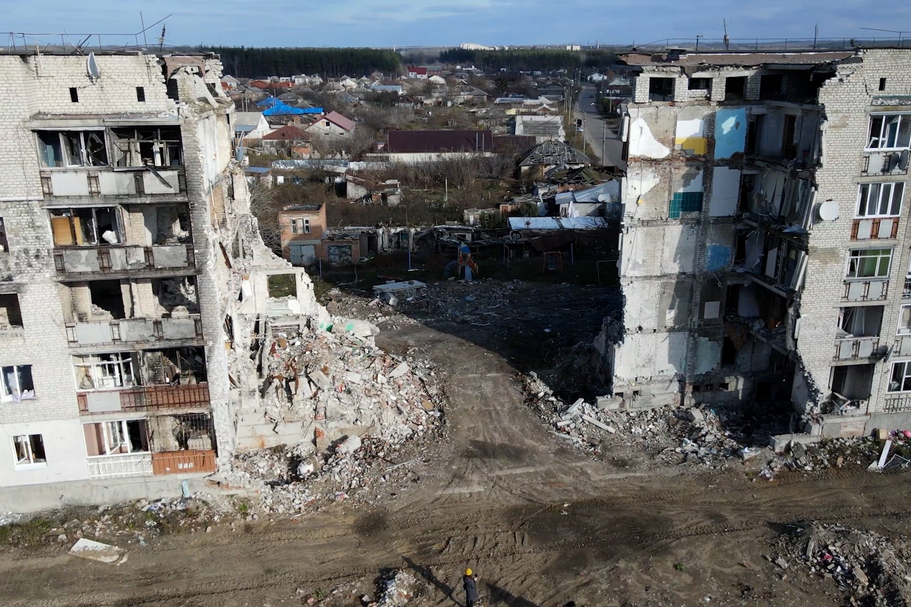
In Kharkiv, the number of internally displaced persons (IDPs) continues to rise, and there is a shortage of available housing for them. City authorities are not paying enough attention to the problem. For example, in one of the communities in the Kharkiv region, there are plans to renovate a building that is currently in a state of disrepair and unfit for habitation. Since all available housing in the community is already occupied by internally displaced persons, a decision was made to restore the abandoned building.
In the current situation, public oversight is of particular importance, especially from the community residents themselves. It is precisely the local residents, who face the consequences of local authorities’ decisions, who are able to objectively assess the actual state of affairs and demand transparency, accountability, and verification of the stated results from the leadership. The public has come to believe that government agencies are not paying enough attention to the problems facing communities in the Kharkiv region; therefore, change cannot be expected without active involvement from the local population.