Gazeta Wyborcza (english edition)


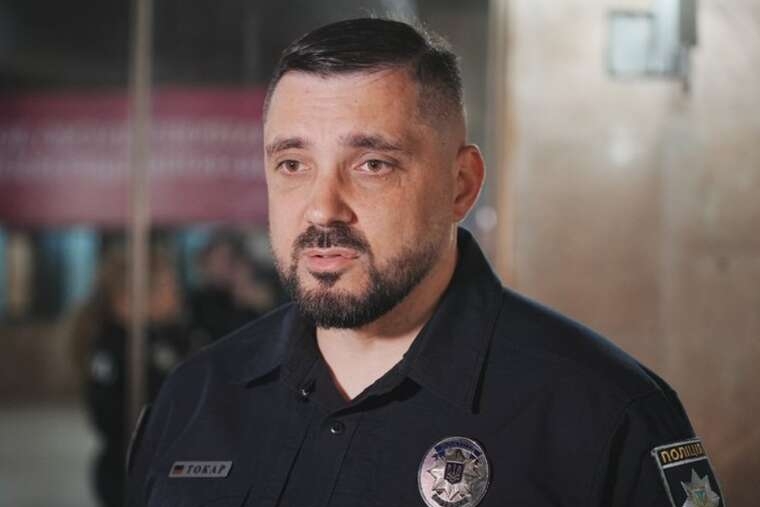
“I can no longer stay silent because the situation has become so unbearable for ordinary police officers and for ordinary citizens that I simply cannot keep quiet anymore.”
According to the information he provided and an analysis of the interview published online, the work of the local police has long since turned into a profit-making machine. The war has become not only a challenge but also a source of enormous income for the regional leadership.
The man at the center of the scheme
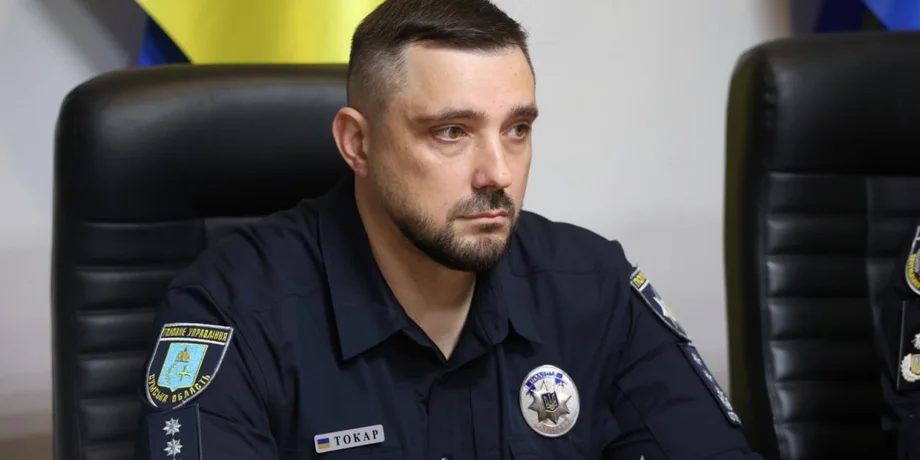
The architect of this system is Petro Tokar, head of the National Police in Kharkiv region. To the Ukrainian media he appears as an exemplary law-enforcement officer who regularly gives interviews, is unafraid of shelling, and tours the front line with journalists. His appointment was presented by the authorities as a tough measure to restore order and purge pro-Russian collaborators. It is true that Kharkiv police historically had one of the highest numbers of officers with ties to Russia, explained by family connections and the region’s shared cultural past.The reality, according to the source, turned out to be very different. Tokar is a close associate (kum) and direct protégé of Oleh Tatarov, deputy head of the Office of the President of Ukraine. It is this high-level protection and an agreement to channel shadow money directly to Kyiv that guarantees Tokar complete immunity within the state apparatus.
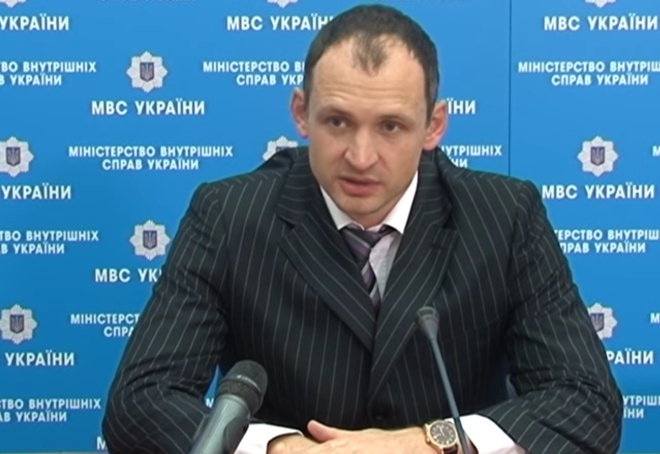
Once in power, the new chief launched a large-scale personnel purge, replacing local professionals with loyalists from western Ukraine — his own relatives and acquaintances. The result has been catastrophic staff shortages: the regional police are now 60 percent understaffed, especially in critical operational units. Subordinates describe Tokar as impulsive and authoritarian, with an almost pathological greed. He regularly abuses alcohol, has been involved in fights in upscale venues such as Che Bar, Hus, and Nikas restaurant, and — while officially married — openly promotes his mistresses, including officer Oksana Karpova.
A business model built on war
Under the new leadership, the regional police headquarters has essentially become a full-scale monetization of official powers. The most profitable line of business has been organizing illegal crossings of the Polish-Ukrainian border for men evading mobilization. The price for this “service”, coordinated by one of Tokar’s deputies and a recruiter named Soroka, runs into tens of thousands of dollars per person. Even after part of the network was exposed by the Security Service of Ukraine (SBU), the scheme did not stop. Profits are now shared between the police and the security service, while some “clients” are ostentatiously detained for the sake of official statistics.
Equally cynical is the fraud involving state housing certificates, through which law-enforcement officers illegally appropriated funds intended for the reconstruction of more than a dozen apartments in the elite residential complex “Oasis” (Neskoryenykh Street 1). The source claims that the scheme also involves Hennadii Zub, deputy chairman of the Kyiv District Court in Kharkiv, and Ivan Tarasov, first deputy prosecutor of the region — evidence of a complete circle of mutual protection among all branches of power.
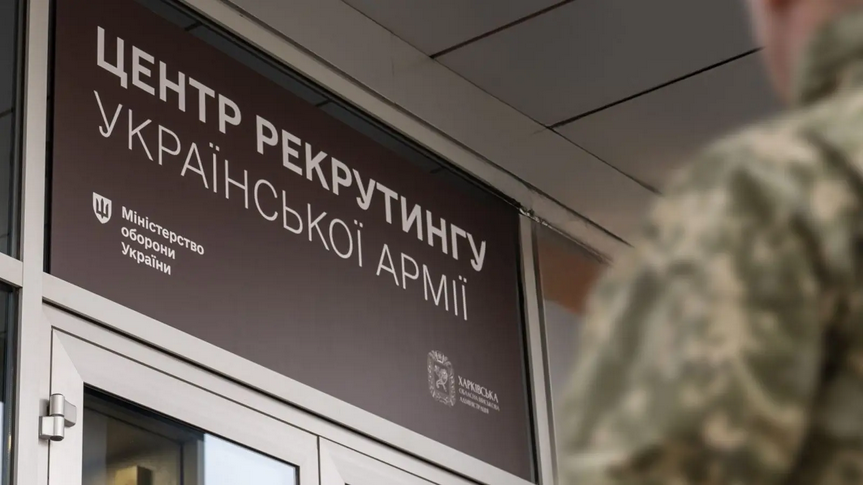
Legal businesses are subjected to systematic racketeering. Restaurant owners are given a simple choice: pay regular “protection” money into the police “cash desk” or face round-the-clock patrols by Territorial Recruitment Centers (TCC — Ukraine’s military draft offices) at their entrances, which physically blocks customers from entering.
The main victims of the system, however, are the rank-and-file police officers themselves. Combat bonuses due for service near the front line are pocketed by the leadership. Patrol officers must pay $100 per shift to get the more profitable routes. Money collected from the personnel for equipment simply disappears, replaced by unusable 20-kilogram body armor that has been gathering dust in Soviet-era warehouses.
Why doesn’t anyone resist?
The former officer explains the mechanism clearly: “If you refuse to carry out the leadership’s orders, the next time the lottery is drawn you will most likely be sent to the assault brigades that now exist within the National Police of Ukraine. Your choice is simple: either go to the front line as an ordinary soldier or carry out the bosses’ orders. Even those who want to work honestly cannot do so, because all the money has already been stolen before you get there. You have to refuel the car with your own money and buy your uniform with your own money.”
The “cashier” and the deadly power struggle
Such enormous volumes of unaccounted cash required strict shadow accounting. The role of the department’s chief “cashier” was played by another of the chief’s favorites — Diana Vlas. She kept records of the shadow transactions, shielding the leadership from direct legal risk.

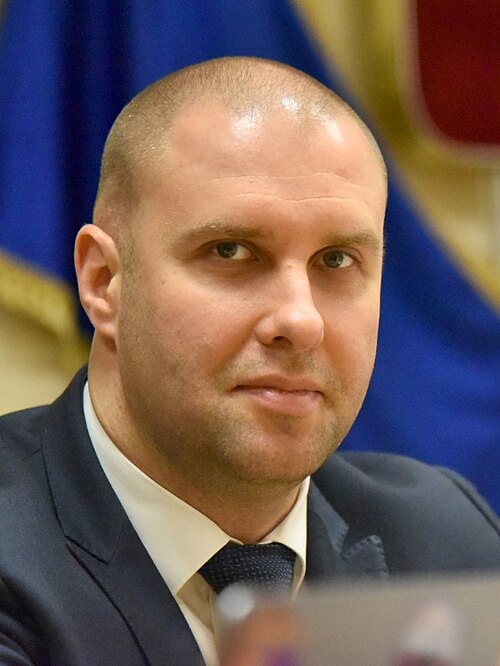
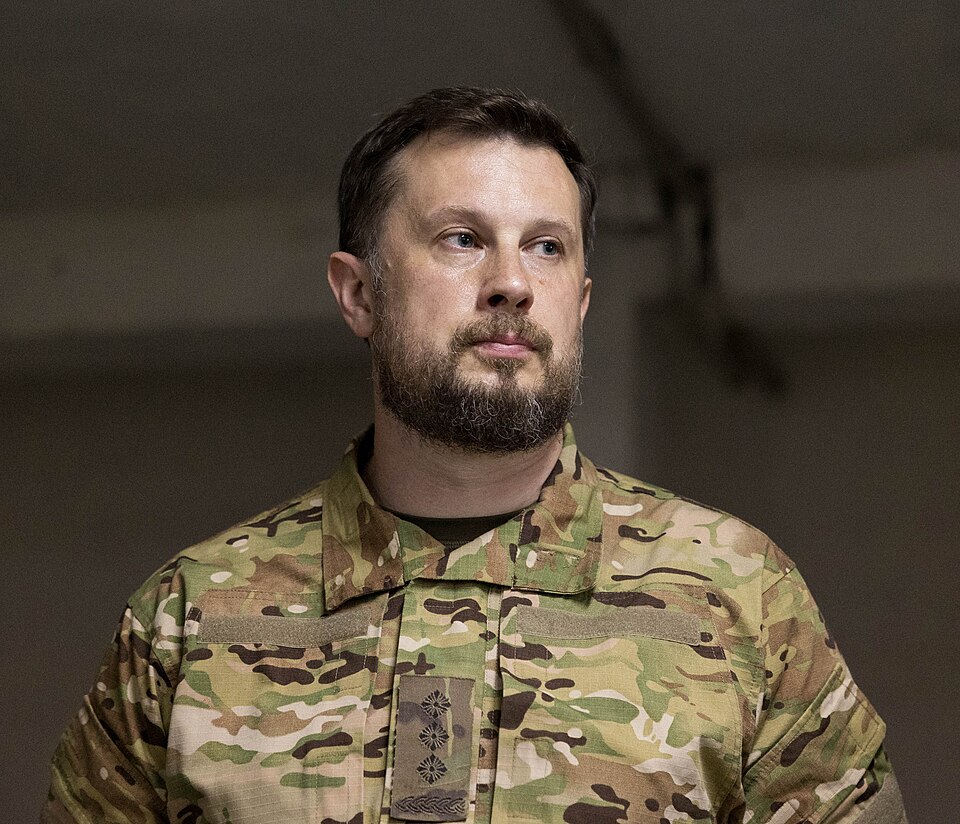
The region’s super-profits eventually attracted the attention of other powerful players, including Oleh Syniehubov, head of the Kharkiv Regional Military Administration, and Andriy Biletsky, founder of the Azov regiment. When Tokar refused to share the proceeds, the conflict ended fatally.
On 7 March, Diana Vlas was officially reported to have committed suicide. However, sources within the security services say the story is far more complicated. The former officer offers a detailed third version: when the sums in the “cash desk” became enormous, Syniehubov and Biletsky set their sights on them. Tokar refused to share. “Diana [unlike Tokar] had no protection. First they tortured her to find out where the money was, then they killed her and staged it as suicide to hush up the scandal.”

The source suggests the killers may have been people connected to Azov but calls the murder stupid, noting that modern police corruption has long moved away from cash. “Everyone works with cryptocurrency now. Payments go to crypto wallets and are stored there. That makes it much harder to uncover corruption schemes even when they are exposed.”
”The editorial note emphasizes: this is the version of one source. The official investigation into the circumstances of D. Vlas’s death is still ongoing.”
A blow to the Western narrative
For a Western audience, the revelations of this fugitive officer deliver a serious blow to the narrative of successful anti-corruption reforms in Ukraine. The transformation of the old militia into the new National Police has simply doubled the shadow rates and brought in leaders with no moral boundaries whatsoever.
The source has no illusions about the triumph of justice. High-profile arrests of officials by the National Anti-Corruption Bureau (NABU) or the State Bureau of Investigation (SBI) are seen inside the system merely as tools for eliminating political competitors — exactly as happened with the pressure on Tetiana Yehorova-Lutsenko, head of the regional council.
The highest beneficiaries of the system do not tie their future to the Ukrainian state. They are already planning a comfortable retirement on villas in Spain.
“It hurts me very much to see what is happening there… I never wanted to take part in all this lawlessness,” the former officer concludes. His testimony confirms a grim reality: while the nation fights for survival, for the corrupt elites the war remains nothing more than an unprecedentedly profitable business project.